Courses

Overview
This course looks at the Mental Capacity Act (MCA) 2005 and examines, amongst others, such topics as: what is the MCA and who does it cover; statutory procedures within the Act; decision making and how to decide what is in a person's best interests.

Overview
This course provides a general understanding of the nutritional requirements of older people. It covers nutrition, food types, choice and variety and exercise.

Overview
This course provides an excellent understanding of issues around dementia. It covers topics including: what dementia is and who tends to be affected by it; signs and symptoms of dementia; communicating with people with dementia, and understanding and respect.

Overview
This course gives the learner an excellent understanding of the importance of infection control in a healthcare environment. It covers the three main stages that are crucial for effective control of cross-contamination and control of infectious bacteria and viruses - hand hygiene; personal protective equipment; and the safe use and disposal of sharps.

Overview
The purpose of this course is to provide guidance for people in every aspect of health care who are involved in the handling and administering of medicines. The course sets out the principles of safe and appropriate handling of medicines and explains how these apply in specific services.

Overview
In this course, the learner will be introduced to why epilepsy happens; the process of diagnosing epilepsy; various types of seizures, including symptoms; treatment and management of epilepsy; and the need to provide an accurate description of observed seizures.

Overview
The learner will gain a good basic knowledge of the importance of maintaining a high level of confidentiality when it comes to the handling of patient-identifiable information.

Overview
This course gives the learner a general understanding of diabetes - what it is, the signs and symptoms associated with it, and how to help someone who is experiencing a diabetes attack.

Overview
The Introduction to Substance Misuse course offers essential guidance on key terms and legal implications of substance misuse. It explores topics such as: the four main types of drugs, the drug classification system, general and specific signs of substance misuse and addiction, and the types of treatment that are available.
Overview
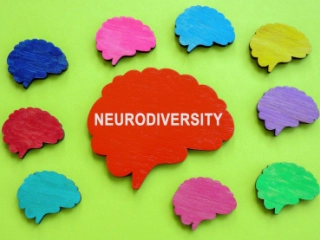
Increase your awareness, knowledge and understanding of neurodiversity with our online module. Learn all about what neurodiversity is, common neurodevelopmental differences, such as autism and ADHD, and how to make small changes in the workplace to accommodate the needs of neurodiverse people, thereby improving the workplace for everyone.

Overview
This comprehensive course provides an in-depth exploration of the adult social care sector, equipping learners with the knowledge needed to work effectively in care settings. Covering frontline roles, person-centred practice, medication awareness, safeguarding, legal responsibilities, communication, and personal wellbeing, it helps build skills and confidence in delivering high-quality care.